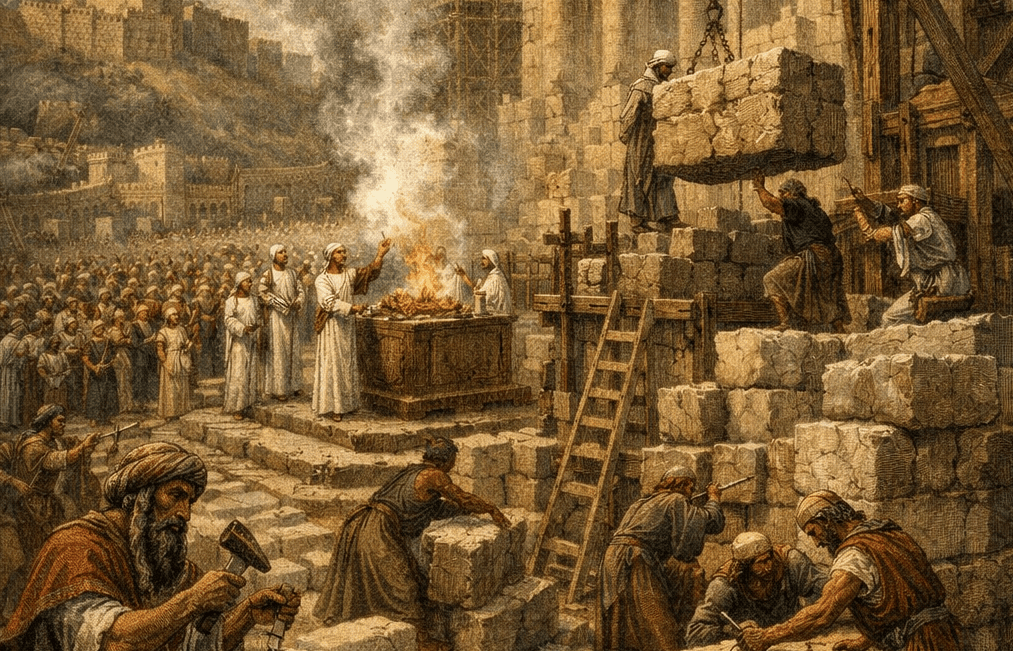
Week 2 — we covered Ezra 3-6. Below is the Audio to listen to lesson, the transcript to read (unedited), and the auto-generated summary.
Audio Recording
Summary (auto-generated)
Responding to Fear & Opposition
- Key question: What do we tend to do when faced with fear, doubt, or opposition?
- Typical human responses: fight, flight, freeze, or fawn.
- Examples cited: 9/11 firefighters, personal family dynamics (Jack = flight, Rissa = fight).
- Alternative responses: prayer, steady worship, and steadfast obedience despite fear.
Ezra 3‑6 Study Highlights
Ezra 3:1‑3 & 8‑13
- The Israelites rebuild the altar “even though they feared the surrounding peoples.”
- They gather “as one” (unity) and offer burnt offerings, showing worship over fear.
- Joyful shouting mixes with weeping at the temple foundation—emotions coexist.
Ezra 4:1‑5
- Enemies of Judah/Benjamin request to help build the temple but hide ulterior motives.
- Discernment is needed; the leaders refuse, staying true to Cyrus’s command.
Ezra 5
- The Jews write to the Persian king asking to verify Cyrus’s decree; they seek official confirmation before proceeding.
- Their response is respectful, honest, and God‑centered, showing trust amid opposition.
Ezra 6:1‑15 & 20‑22
- Cyrus’s decree is confirmed; Darius reinforces it and funds the work.
- The temple is completed; the community celebrates Passover with joyful worship.
- Themes: God’s providence, faithful obedience, and worship as the proper response after hardship.
Core Lessons
- Obey before feeling safe: Faithful action precedes security.
- Steadfastness over fight/flight: Remain rooted in worship even when fear is present.
- Discernment: Evaluate help from those who don’t share the same faith.
- Trust in providence: Act while outcomes remain uncertain, relying on God’s promises.
- Sorrow & joy together: Spiritual renewal often blends both emotions.
- Worship after trials: Celebrating God acknowledges His faithfulness and refocuses hearts.
Personal Illustrations
- High‑school teaching: Students’ “dumb” behavior often stems from fear (grades, peers).
- Small acts of faith:
- A church’s prayer gatherings sparked growth during a long pastor search.
- A teacher’s creative gratitude wall impacted many students.
- Unexpected provision:
- Career shift to youth pastor and a surprising K‑Life placement in St. Louis.
- Story‑preserving: Encouragement to record elders’ testimonies on digital voice recorders.
Discussion Questions (selected)
- What does obeying God before feeling safe look like?
- Where have small faithful steps led to larger renewal?
- Why is discernment crucial when help comes from non‑believers?
- How can sorrow coexist with joy in spiritual renewal?
- What does trusting God’s providence look like amid uncertainty?
- Why is worship the right response after prolonged hardship?
- In the face of fear and opposition, what should we do? (Answer: be steadfast, “work and pray,” roll up our sleeves.)
Closing Prayer (summary)
- A petition for courage, steadfastness, and a heart of worship in both big and small tasks, trusting God’s providence and remaining obedient to His call.


Leave a comment